There’s something different about a packed local market on a sunny weekend. The music spills across the footpaths, food stalls pump out impossible-to-ignore aromas, and people linger longer than they planned. That’s the magic. These events don’t just entertain crowds. They put small businesses directly in front of real people who are ready to spend, chat, and remember what they’ve seen.
Online ads still matter, obviously. But they’ve also become easy to scroll past. Local festivals feel more personal. More human. A customer who samples handmade pastries or chats with a jewellery maker face-to-face is far more likely to become loyal than someone who saw a banner ad while half-asleep on the couch.
Face-to-Face Still Wins
Digital marketing gets plenty of hype, but in-person experiences hit differently. A crowded food festival creates instant energy around a business. People see queues forming and assume something good is happening. Usually, they’re right.
The last time a regional night market opened near the coast, several first-time stallholders sold out before sunset. One coffee vendor reportedly gained more Instagram followers in a single evening than during three months of paid social campaigns. That’s not rare anymore. Markets have become discovery engines for small operators trying to stand out in noisy industries.
Customers also trust what they can taste, touch, or experience. That matters. Especially now, when consumers are more sceptical of polished advertising than ever before.
Community Events Create Local Loyalty
Big corporations can throw money at national campaigns. Small businesses usually can’t. What they can do is build genuine community recognition, and local events are brilliant for that.
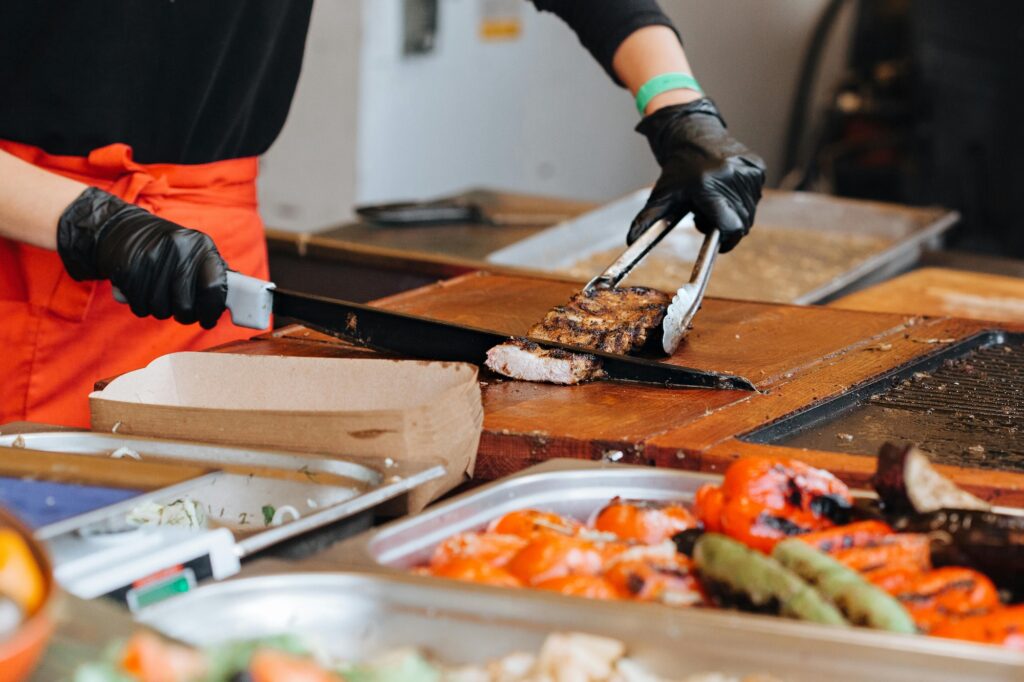
A familiar face behind a stall often becomes part of the attraction itself. Shoppers remember conversations. They remember recommendations. They remember the bloke selling smoked brisket who accidentally dropped half a bun while talking too enthusiastically. Humans connect with messy little moments like that.
Food festivals also encourage repeat attendance. Families return year after year, which means brands gain repeated exposure without needing massive budgets. A catering business serving sliders at one event can easily land private bookings weeks later through word of mouth alone. It happens constantly across regional NSW, especially for operators involved in Wollongong catering services during busy festival seasons.
Visual Branding Matters More Than Most Businesses Think
Some stalls attract attention immediately. Others disappear into the background. Usually, the difference comes down to presentation.
People judge businesses within seconds. Harsh but true.
Clear signage, bold colours, and strong visual consistency help customers notice a brand from across a crowded market space. Even the best products struggle when nobody can figure out what’s being sold. That’s where professionally designed displays still make a massive difference.
One small bakery owner once admitted that sales doubled after replacing a flimsy handwritten sign with proper banner printing before a coastal food event. Same products. Same prices. Completely different customer response. Sometimes the smallest upgrade changes everything.
Markets Encourage Social Sharing Without Forcing It
Nobody enjoys being aggressively sold to while trying to enjoy a weekend outing. Fortunately, markets naturally avoid that problem.
People attend these events to relax, eat, wander around, and maybe spend more money than intended on artisan candles. It happens. The environment feels casual, which makes businesses seem more approachable too.
That relaxed atmosphere also fuels social media exposure without much effort. Visitors constantly upload photos of colourful desserts, live music, unusual products, and packed festival scenes. A visually appealing setup often becomes free promotion online.
And unlike heavily polished advertising campaigns, these posts feel authentic. That authenticity carries weight. A tagged Instagram story from a real customer often outperforms expensive campaigns designed in boardrooms by people who say things like “consumer engagement ecosystem” with a straight face.
Some visitors discover new vendors at the event itself, while others later search for them through social media pages or a free local business directory after seeing friends share photos online.
Small Businesses Gain Valuable Real-Time Feedback
One underrated benefit of local events is immediate customer feedback. There’s nowhere to hide. If pricing feels off, customers say so. If a product stands out, people talk about it loudly enough for neighbouring stalls to overhear.
That sort of insight is gold for smaller operators trying to improve quickly.
Markets also help businesses test ideas before investing heavily. New menu items, seasonal products, branding changes, or packaging concepts can all be trialled in front of real audiences. No focus groups required. Just honest reactions.
A handmade skincare brand at a weekend market once switched its entire product packaging after noticing shoppers repeatedly ignored certain labels. Sales improved within weeks. That kind of rapid learning is difficult to replicate online.
Traditional Promotion Still Supports Event Success
Despite the obsession with digital channels, physical marketing still plays a role in attracting crowds. Plenty of successful market organisers combine online campaigns with local print advertising to reach wider audiences.
Posters in cafés. Flyers at community centres. Street signage near busy roads. These methods still work because they target people already living nearby and looking for things to do on weekends.
There’s also something oddly comforting about seeing a local festival poster taped to a café window. It signals activity. Community. A reason to leave the house instead of doom-scrolling for four hours straight.
For small businesses, that foot traffic can lead to lasting visibility that extends well beyond a single event day.
Why These Events Keep Growing
People are craving experiences again. Real ones.
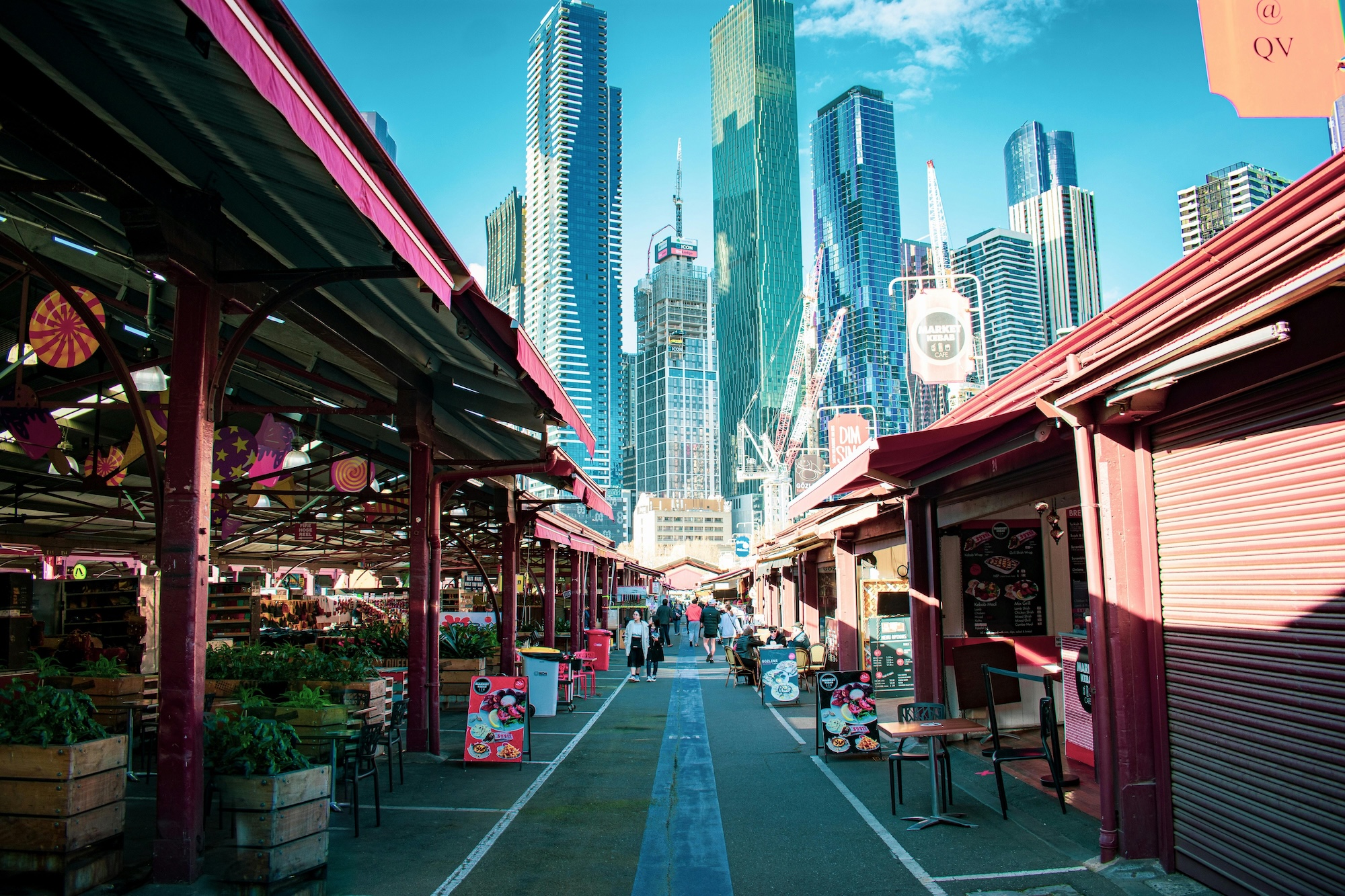
Local markets and food festivals offer something online shopping never will: atmosphere. Noise. Conversation. The smell of grilled onions drifting through the air while someone plays acoustic covers slightly too loudly nearby. It’s chaotic in the best possible way.
Small businesses benefit because they become part of those memories. Customers stop seeing them as random brands and start recognising them as local favourites worth supporting.
That’s powerful exposure. And honestly, probably more valuable than another forgettable sponsored post squeezed between cat videos and mortgage ads.